
USDA Loans in Greater Portland, OR
Buying a home with little or no down payment can provide opportunities for buyers that otherwise may not be able to become homeowners.
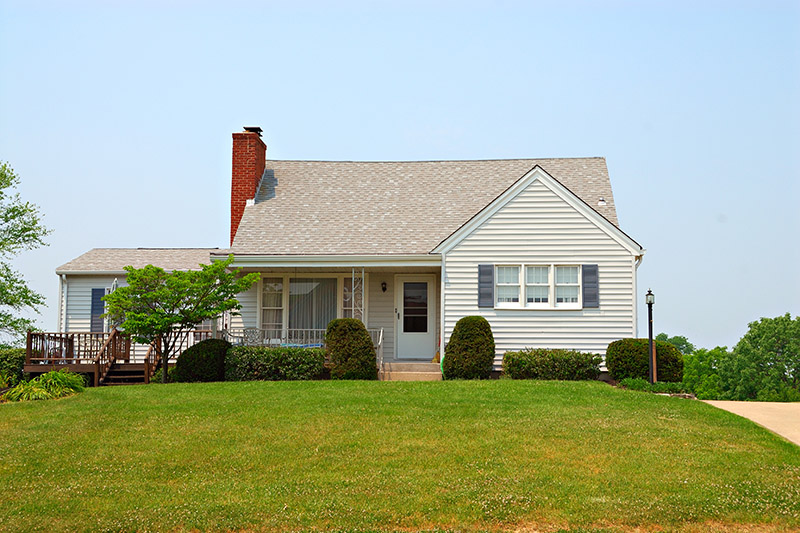
Understanding USDA Loans for Greater Portland, OR Buyers
A USDA loan in Greater Portland, OR may allow an eligible buyer to purchase a qualifying primary residence with no required down payment. I’m Justin Kahut, and I help buyers throughout Greater Portland, OR process through USDA property boundaries, household income limits, monthly costs, and alternative loan programs before making a decision.
Born and raised in Oregon, I understand that “rural” does not always mean remote. Some communities outside Portland’s urban core may contain USDA-eligible properties while still providing a reasonable commute to major employment centers.
Key Takeaways
- No required down payment: Eligible borrowers may finance 100% of a qualifying home’s purchase price.
- Location matters: The property must be inside a current USDA-eligible area when the loan is processed.
- Household income is reviewed: USDA income eligibility may include earnings from adult household members who are not borrowers.
- Primary residences only: USDA financing cannot be used for a vacation home, rental property, or fix-and-flip project.
- Program fees apply: USDA mortgages have an upfront guarantee fee and an annual fee rather than conventional private mortgage insurance.
- Property condition counts: The appraisal must support the value and identify whether the home meets applicable safety and livability requirements.
Common Questions About USDA Loans
USDA loans combine borrower, household, and property requirements, so eligibility involves more than checking your credit score. Here are direct answers to some questions I commonly hear.
- What is a USDA mortgage? It is a government-backed home loan designed to support eligible low- and moderate-income households purchasing primary residences in designated rural areas. Most borrowers use the USDA Single Family Housing Guaranteed Loan Program through an approved private lender.
- Who may qualify for the USDA program? Borrowers generally need stable qualifying income, an acceptable credit history, manageable debts, and household income within current limits. Income caps vary by location and household size as of 2026.
- How do I know whether a house is eligible? Eligibility begins with the property’s exact address, not simply its city or ZIP code. The address must fall within the USDA eligibility map, and the property must satisfy current program guidelines.
- Can I use a USDA loan for an investment property? No. The home must be your primary residence, so investors should instead explore conventional financing or investment property loans.
- Do I need excellent credit? Not necessarily, because USDA does not establish one universal credit score requirement for every situation. Individual lenders may apply additional standards, and lower scores can require closer review of payment history and other risk factors.
- Is mortgage insurance required? USDA does not use conventional private mortgage insurance, but it does charge an upfront guarantee fee and an annual fee paid monthly. Current fees should be verified when you apply because program guidelines can change.
- How long does USDA financing take? A USDA purchase often follows a timeline similar to other mortgages, although the file may require an additional agency review. Appraisal repairs, documentation issues, or heavy agency volume can extend closing.
- Can closing costs be included in the loan? The upfront guarantee fee may generally be financed, but ordinary closing costs cannot automatically be added above the supported value. Seller credits, eligible gifts, or lender credits may help, depending on the transaction and current guidelines.
How USDA Loans Work
A USDA mortgage moves through both standard lender underwriting and USDA program review. I typically help borrowers break the process into the following steps.
- Review Your Initial Scenario: I look at your income, monthly obligations, credit profile, employment, available funds, and homeownership goals. A soft credit pull may be available at the beginning, and I will not proceed with a credit review without your authorization.
- Calculate Household Income: USDA considers both qualifying repayment income and household income eligibility. For example, income from a non-borrowing spouse or another adult living in the home may affect the household limit even when that person is not responsible for the mortgage.
- Check the Property Area: I verify a specific address against the current USDA map because eligibility can change from one side of a boundary to another. An eligible ZIP code by itself does not establish that every property within it qualifies.
- Compare Loan Scenarios: I crunch some numbers for the USDA program alongside other choices when appropriate. Buyers with funds available may want to compare USDA with conventional financing, an FHA home loan, or other low down payment purchase options.
- Complete Underwriting and Appraisal: The lender verifies your financial documentation while an appraiser evaluates the home’s value and condition. Repairs involving safety, structural integrity, utilities, or basic habitability may need to be completed before closing.
- Receive USDA Review and Close: After lender underwriting is complete, the file goes through the applicable USDA approval process. Final approval remains subject to verified borrower information, property eligibility, agency requirements, and any outstanding loan conditions.
Is a USDA Loan Right for You?
USDA loans often work well for buyers with stable income who want a primary home in an eligible outlying community but prefer to preserve their savings. First-time and move-up buyers may both use the program; prior homeownership does not automatically make someone ineligible. In my experience, the program is especially worth exploring when a buyer has enough money for inspections and closing costs but does not want to use most of their reserves for a down payment.
Alternatives should be considered if your household income exceeds current USDA limits, you want a home inside an ineligible urban boundary, or the property will be a rental. A conventional loan may provide more flexibility for property location, while eligible military borrowers may compare VA home loan financing. Higher-priced purchases may require conventional or jumbo home loan options.
USDA Loan Costs, Fees, and Expectations
A USDA loan may remove the required down payment, but it does not eliminate the other costs of purchasing a home. Borrowers should plan for an appraisal, inspection, title and escrow charges, prepaid property taxes, homeowners insurance, and other transaction expenses.
As one numerical example, closing costs and prepaid items on a $400,000 purchase might often total approximately $8,000 to $16,000, although the actual amount depends on taxes, insurance, discount points, lender pricing, and the closing date. Seller credits may cover eligible costs when allowed by the contract, appraisal, and current USDA rules.
| Feature | USDA Loan | Common Alternative |
|---|---|---|
| Minimum down payment | 0% for eligible transactions | Varies by conventional, FHA, or VA program |
| Geographic restriction | USDA-eligible areas only | Generally no rural-area requirement |
| Income limits | Household income caps apply | Many alternatives have no program income cap |
| Ongoing charge | Annual USDA fee paid monthly | May include mortgage insurance or a VA funding fee |
| Occupancy | Primary residence only | Some programs allow second homes or investments |
USDA rates are often competitive with other government-backed programs, but pricing depends on market conditions and your complete application. What I typically see is a closing schedule of roughly 30 to 45 days when documentation is complete, the property is in acceptable condition, and agency review is available; that timing is not guaranteed.
Common USDA Loan Mistakes to Avoid
The most common USDA problems involve household income, property boundaries, and cash planning rather than the down payment itself. Avoiding these issues early can make the review more straightforward.
- Checking only the city name: Two nearby homes can have different USDA eligibility because the map uses precise boundaries. Always check the complete property address before assuming it qualifies.
- Leaving out a household member’s earnings: A working adult child who will live in the home but will not sign the loan may still have income counted toward USDA’s household cap. Missing that detail can change eligibility late in the process.
- Confusing zero down with zero cash needed: You may still need funds for earnest money, an inspection, prepaid expenses, and closing costs unless acceptable credits or gifts cover them.
- Ignoring visible property concerns: For example, peeling paint on a pre-1978 home, exposed wiring, or a nonfunctioning heating system may create appraisal conditions. A seller who will not complete required repairs can put the transaction at risk.
- Moving money without documentation: A large unexplained cash deposit shortly before underwriting may not be considered an acceptable source of funds. Keep records for transfers, gifts, asset sales, and other non-payroll deposits.
- Changing employment or adding debt: Financing a car or opening a credit card before closing can increase your debt-to-income ratio. Talk with your loan officer before making a major financial change.
Local Considerations for Greater Portland, OR
USDA eligibility around the Portland metro is generally more likely in outer communities than in Portland’s dense urban core. Buyers looking beyond Beaverton and Gresham may find possible opportunities around areas such as Banks, Estacada, Sandy, or parts of the Columbia River and Willamette Valley outskirts, but every address must be checked against the current map.
Commute patterns also matter for people working in Hillsboro’s semiconductor industry, at Nike near Beaverton, or in Portland-area healthcare systems. Acreage, private wells, septic systems, manufactured homes, and unpermitted additions appear more frequently outside the core; each can require additional appraisal or underwriting review, so I like to evaluate those details before you become deeply committed to a property.
Ready to Explore a USDA Mortgage?
I’d love the opportunity to serve you and help process through your options. If you have an address in mind, I can check the area, review household income, and run a few different scenarios to see what may be appropriate for your specific goals. Get started with Justin Kahut (NMLS #2391374) today by using the secure Get Started form.
This is educational content and not financial advice. Loan programs and guidelines can change. Talk with a licensed mortgage professional about your specific scenario.