
Rehab Loans in Greater Portland, OR
You may be able to purchase a home and roll the costs of the renovation into your loan.
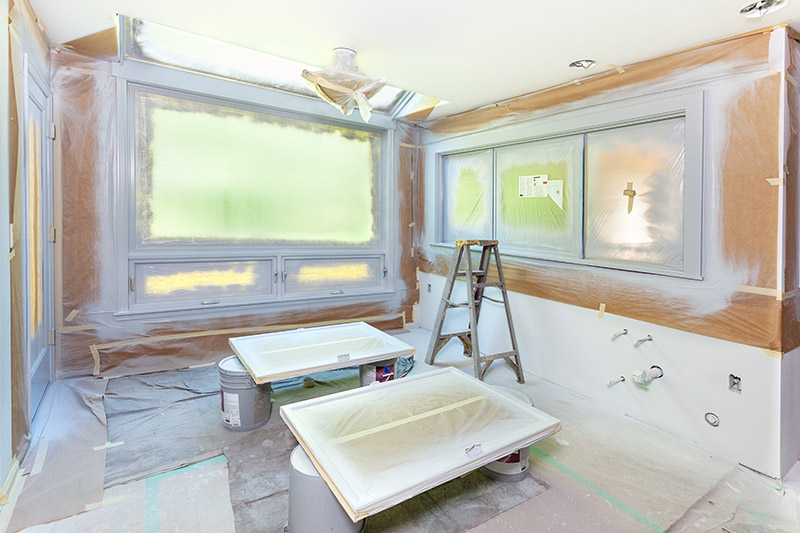
Understanding Rehab Financing in Greater Portland, OR
A rehab loan for a home in Greater Portland, OR may combine the purchase price and eligible renovation costs into one financing package. I’m Justin Kahut, and I help buyers process through rehab mortgage options based on the property, proposed improvements, budget, and long-term goals.
Rehab loans may include FHA, conventional, VA, or investor-focused programs, with each following different occupancy and project guidelines. Since I was born and raised in Oregon, I also understand how local housing styles, contractor availability, and permitting requirements can shape a renovation plan.
Key Takeaways
- Combined financing: A rehab mortgage may finance the home purchase and approved improvements through one loan.
- Future value: The appraisal generally considers the property’s expected condition after the planned work is completed.
- Contractor review: Programs commonly require detailed bids and qualified contractors before final approval.
- Controlled draws: Renovation money is typically held in an escrow account and released as documented work is completed.
- Longer timeline: Rehab loans generally require more preparation and oversight than a standard purchase mortgage.
- Program differences: Down payment, occupancy, project, and property requirements depend on the specific rehab program.
Common Questions About Rehab Loans
Rehab loans have additional steps because the lender must evaluate both the borrower and the proposed construction project. Here are direct answers to questions I regularly hear from buyers and investors.
- What is a rehab loan? It is financing designed to cover a property purchase or refinance along with eligible repairs or improvements. The renovation funds are generally managed through an escrow account rather than given directly to you at closing.
- Who may use a rehab mortgage? Depending on the program, eligible users may include first-time buyers, move-up buyers, homeowners, veterans, or real estate investors. Owner-occupied borrowers may want to compare an FHA home loan with conventional renovation financing.
- How long does a rehab loan take? Closing usually takes longer than a standard mortgage because contractor bids, project documents, and an after-improved appraisal must be reviewed. The actual schedule depends on the program, contractor readiness, appraisal, and scope of work.
- Can I complete the repairs myself? Most rehab programs expect the work to be completed by qualified third-party contractors. Limited exceptions may exist, but borrower-completed work should never be assumed when planning the financing.
- Do I need contractor bids before applying? You can start the conversation before choosing a contractor, but complete written bids will generally be needed before the loan can receive final approval. Detailed bids help establish the renovation budget and appraisal assumptions.
- Is every renovation eligible? No. Eligible improvements vary by program, and luxury items or work that does not permanently improve the property may be excluded.
- What happens if the project costs more than expected? Many programs build an approved contingency reserve into the budget. Cost increases beyond available funds may require a documented change order, additional borrower funds, or a revised project plan.
- Can investors use rehab loans? Yes, although government-backed owner-occupied programs generally are not designed for investment properties. Investors may instead consider a specialized fix and flip home loan or other investment financing.
How Rehab Loans Work
A rehab loan moves from initial financial review to project approval, closing, construction draws, and final inspection. Understanding the sequence can help you set realistic expectations with your real estate agent and contractor.
- Review Your Financial Starting Point: I begin by reviewing your income, assets, credit, intended occupancy, and estimated purchase budget. We can crunch some numbers and take a look at a few different scenarios without assuming one rehab program is automatically appropriate.
- Identify the Property and Improvements: Once you have a property in mind, we outline the repairs you want to finance. Health, safety, structural, mechanical, and cosmetic work may be treated differently depending on the selected program.
- Obtain Detailed Contractor Bids: Your contractor prepares a written proposal separating labor, materials, permits, and individual project items. Vague allowances can create appraisal or underwriting questions, so detailed documentation is important.
- Complete the Appraisal and Project Review: The appraiser evaluates the home using the approved plans and specifications to estimate its after-improved value. Larger or structural projects may also require a consultant, engineer, architect, or additional inspections.
- Finalize Underwriting and Close: The lender reviews your finances, title, insurance, appraisal, contractor information, and renovation documents. At closing, the seller is paid and the approved repair funds are typically placed into a controlled escrow account.
- Finish the Work and Request Draws: Contractors request payments as approved phases are completed, with inspections used to confirm progress. A final inspection verifies that the required work is complete before remaining funds are released and the renovation escrow is closed.
When a Rehab Mortgage May Make Sense
Rehab financing may be a good fit when you like a property’s location and basic structure but need financing to address clearly defined improvements. This can often work well for a first-time buyer purchasing an older home, a move-up buyer who wants to redesign a property, or an investor with a documented renovation and resale plan. In my experience, stronger scenarios usually involve realistic bids, available contractors, and enough flexibility for a longer closing.
Other financing should be considered when the project scope is uncertain, the contractor cannot provide documentation, or the transaction has a very short deadline. A standard conventional loan may be more straightforward for a home needing only minor work, while major ground-up or near-total reconstruction may call for a construction home loan. Eligible military borrowers can also explore a VA home loan, although VA renovation availability and lender requirements can be more limited.
Rehab Loan Costs, Fees, and Timelines
Rehab loan costs depend on the underlying mortgage, down payment, project complexity, and required third-party services. In addition to normal closing expenses, you may encounter consultant fees, plan review charges, permit costs, draw inspections, title updates, and a contingency reserve. FHA rehabilitation financing may begin at 3.5% down for eligible borrowers, while conventional and investor programs can require more based on occupancy, credit, property type, and current guidelines.
For example, a $75,000 approved renovation budget with a 10% contingency would include an additional $7,500 reserve, creating an $82,500 project account before applicable fees. The reserve is generally intended for approved unexpected costs, and unused funds are handled according to program rules rather than paid out as cash.
| Feature | Rehab Mortgage | Standard Mortgage |
|---|---|---|
| Property condition | May allow approved repairs after closing | Usually must meet program standards at closing |
| Down payment | Varies; some FHA scenarios begin at 3.5% | Varies by conventional, FHA, VA, or jumbo program |
| Interest rate | May be higher due to added project risk and administration | May offer more favorable terms when the home is already complete |
| Closing timeline | Often longer due to bids and project review | Generally more straightforward |
| Funds for improvements | Held and released through draws | Not normally included |
Larger purchase amounts may also require comparison with a jumbo home loan. Current limits and investor requirements should always be checked for the specific property and closing year.
Common Rehab Loan Mistakes to Avoid
The most common rehab financing problems come from incomplete bids, unrealistic schedules, and unapproved project changes. A little preparation before appraisal and underwriting can prevent avoidable delays.
- Submitting a vague contractor bid: A one-page estimate stating “kitchen remodel” does not explain materials, labor, plumbing, electrical work, or permits. Underwriters and appraisers generally need an itemized scope.
- Choosing a contractor who cannot meet program requirements: A skilled contractor may still be unable to participate if licensing, insurance, references, or financial documentation is missing. Confirm requirements before relying on that bid.
- Changing the project after appraisal: Removing a roof replacement and adding cosmetic upgrades can affect required repairs and appraised value. Even when the total cost stays the same, the revised scope may need formal approval.
- Ignoring permit timing: A Portland addition involving structural work may need plan review before construction starts. If the budget assumes immediate work but permits take longer, draw schedules and completion deadlines can be affected.
- Spending cash needed for closing: Contractor deposits, inspections, and prepaid materials can reduce verified reserves. What I typically see work more smoothly is confirming which expenses can be reimbursed before paying them personally.
Local Considerations for Greater Portland, OR
Local housing age, property type, permitting, and contractor capacity can significantly affect a renovation plan. Homes in Sellwood-Moreland and inner Northeast Portland may involve older electrical panels, sewer lines, foundations, or unpermitted additions, while properties in Beaverton and Hillsboro can attract buyers working in the Silicon Forest’s semiconductor and technology industries. Condominiums, hillside homes, and properties with accessory dwelling unit plans may require additional review.
Portland permitting requirements can also influence cost and timing when a project changes structural components, adds living area, or converts a basement. Before finalizing the financing, I like to help process through options using a detailed scope, realistic contractor schedule, and enough room for inspections or permit-related adjustments.
Ready to Explore Your Rehab Loan?
I’d love the opportunity to serve you and help determine whether rehab financing may be appropriate for your specific situation and goals. Get started with Justin Kahut (NMLS #2391374) today by using the Get Started form. I’d love to partner with you during this big financial decision, crunch some numbers, and walk through the trade-offs clearly.
This is educational content and not financial advice. Loan programs and guidelines can change. Talk with a licensed mortgage professional about your specific scenario.