FHA vs Conventional Loans: How First-Time Buyers Can Find the Right Fit
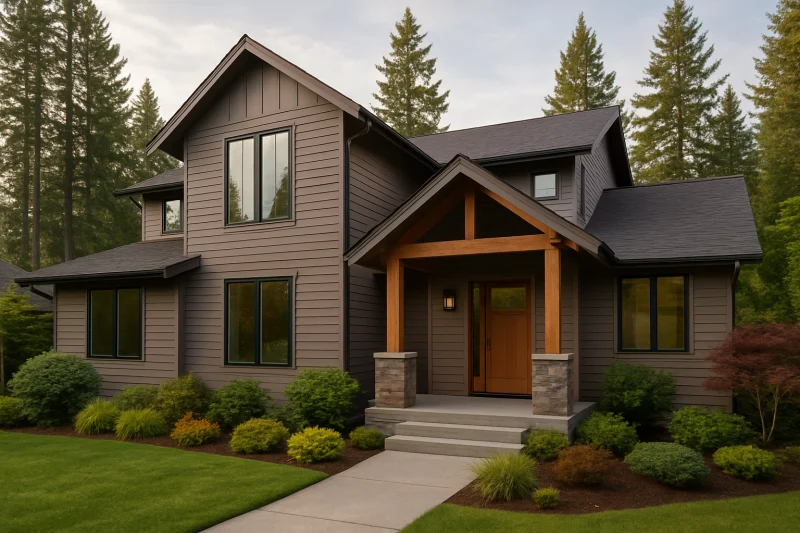
Finding your first home should be exciting, but sorting through mortgage options can feel a bit overwhelming, especially if you’re torn between FHA and conventional loans. FHA loans are government-backed and designed to help buyers with lower down payments and credit scores, while conventional loans are privately backed and often offer more flexibility to qualified borrowers. In this post, I’ll help you process through the differences, clear up common misconceptions, and walk you through the steps to see what might be best for your situation in Greater Portland or any of the areas I serve.
Key Takeaways
- Purpose: Compare eligibility, costs, and pros/cons of FHA vs conventional loans for first-time homebuyers
- Down Payment: FHA loans require as little as 3.5%, while conventional loans can start at 3% for some buyers
- Credit Requirements: FHA loans are often easier to qualify for with lower scores; conventional usually rewards stronger credit
- Best For: Buyers with lower down payments, less-than-perfect credit, or wanting to maximize flexibility
Quick Answers
- What’s the minimum down payment for FHA? FHA loans typically require a minimum of 3.5% down, but guidelines can change, so check with your lender.
- Can I use gift funds for my down payment? Yes, both FHA and many conventional programs allow gift funds, but documentation rules differ.
- How do mortgage insurance costs compare? FHA comes with both upfront and monthly mortgage insurance; conventional loans may drop PMI once you build enough equity.
- Do I need perfect credit for either? No—FHA is designed for buyers with lower scores, while conventional usually prefers higher scores to qualify for better rates and terms.
FHA and Conventional Loans: The Basics
At Justin Kahut (NMLS# 2391374), I help first-time buyers in the Greater Portland area (and beyond) compare these options every week. Here’s a quick rundown:
- FHA loans are insured by the Federal Housing Administration. They’re designed to help buyers with lower credit, smaller down payments, or limited credit history get into a home.
- Conventional loans are not government-backed; instead, private investors or Fannie Mae/Freddie Mac set the guidelines for these. You’ll see more flexibility for higher-credit buyers—and different rules for down payment and mortgage insurance.
Who Might FHA Fit?
- You’re working on growing your credit score and aren’t quite at “prime” yet
- Your savings are mostly set aside for your down payment and moving expenses
- You’d like a lower barrier to entry for homeownership right now
Who Might Conventional Fit?
- Your credit score is in good shape (often mid-600s or above, but guidelines vary)
- You have savings for at least 3% (some programs offer this for first-timers) or 5%+ for down payment
- Want to avoid certain mortgage insurance costs down the line
Down Payment: What Does Each Loan Program Require?
It’s one of the biggest first questions: how much cash do I really need upfront?
FHA loans will require a minimum of 3.5% down, based on the purchase price. This is a straightforward rule for most buyers who meet credit guidelines. And yes, you can often use gift funds from family or close friends for the whole down payment and even closing costs, as long as the source is documented.
Conventional loans sometimes go as low as 3% down for first-time buyers. That said, not every property or borrower qualifies for this minimum, so sometimes it’s 5% or more. Conventional also allows gifted funds, but documentation can be a bit different than FHA.
If you want to crunch some numbers together, I can help you look at your options side by side to see what’s best for your specific scenario.
Credit Score & Qualifying: How Flexible Is Each Program?
Here’s where FHA stands out: the program is built to be more forgiving for credit hiccups, shorter credit history, or even prior issues like bankruptcy or foreclosure (with certain waiting periods).
FHA loans are often available with credit scores that wouldn’t qualify for most conventional loans. But remember: even with FHA, better credit means potentially better rates and lower mortgage insurance costs.
Conventional loans typically offer the best rates and lowest costs when your credit is solid. Most lenders like to see a middle score in the mid-to-high 600s or better, but some programs go a bit lower. If you’re in a rebuilding stage, starting with FHA and moving to a conventional refinance down the line can sometimes make sense.
Mortgage Insurance: What to Expect with FHA vs Conventional
All low-down-payment loans (less than 20% down) come with some form of mortgage insurance—this protects the lender but does raise your payment.
On FHA loans, you’ll see both upfront and monthly mortgage insurance premiums (MIP). The upfront amount is typically added to your loan balance, while monthly premiums stick with you for either 11 years or the life of the loan, depending on down payment and loan type. These terms and costs do change from time to time.
For conventional loans, private mortgage insurance (PMI) is required on loans with less than 20% down—but can usually be removed once you reach a set equity milestone (often 20-22%). PMI pricing depends on your credit score, down payment, and property type, and unlike FHA, there’s no upfront fee for most standard conventional programs.
If you’re planning to stay in your new home long-term and hope to drop mortgage insurance, we may want to run a few different scenarios with both loan types and estimated timelines.
Property, Income, and Other Differences That Matter
There are a few more wrinkles with each loan type to consider:
- FHA loans are only available for your primary residence—not for vacation homes or investment properties. The property must meet certain health and safety standards, which can sometimes mean minor repairs have to be handled before closing.
- Conventional loans can be used for a primary residence, second home, or certain investment properties. The condition requirements are usually less strict than FHA, offering a bit more flexibility, especially for condos or fixer-uppers (within reason).
- Debt-to-income ratios (DTI): FHA usually allows a bit more leeway, which can help buyers with higher student loans or other debts.
It’s a lot, but this is where I’d love the opportunity to serve you—help sort through these details, figure out your real homebuying “math”, and take a look at a few different scenarios so you can feel confident about which way to go.
Comparing FHA and Conventional Side by Side
Sometimes, a quick table helps make sense of it all:
| Feature | FHA Loan | Conventional Loan |
|---|---|---|
| Minimum Down Payment | 3.5% | 3% (first-time buyers), often 5%+ |
| Credit Requirements | More flexible, lower scores accepted | Better rates, lower PMI with higher credit |
| Mortgage Insurance | Upfront & monthly (may last full term) | Monthly, can be removed at 20-22% equity |
| Eligible Properties | Primary residence only | Primary, secondary, some investment |
| Debt-to-Income Ratio | More flexibility with higher debts | Stricter, varies by lender and profile |
Want even more details? Feel free to explore FHA Home Loan or Conventional options for more in-depth breakdowns on qualifications.
When Does Each Option Make the Most Sense?
As with most things in mortgage, the answer is: it depends on your scenario and your goals.
- Choose FHA if: Your credit could use some improvement or you have a limited down payment; you want a smoother path to approval and you’re buying your first primary home.
- Choose Conventional if: You have solid credit and healthy savings, want to minimize long-term mortgage insurance, or plan to buy a second home—or eventually refinance to remove PMI.
- If you’re an investor looking at non-primary properties, check out investment property loan options, which are often conventional or specialized programs like our DSCR loan program.
It never hurts to run the numbers on each path—I’m always happy to take a look at what’s best for you and your specific situation.
What Should You Do Next?
I know there’s plenty to digest here, but you don’t have to sort it all out alone. I’d love to partner with you during this big financial decision—whether you’re ready to get pre-approved now or just have questions.
If you want to review your scenario, **compare FHA and conventional options side by side**, and understand next steps, just call, text, or email me anytime. I’m here to help you process through options, crunch some numbers, and build a clear plan for homebuying in the Greater Portland area or anywhere I’m licensed.
Getting pre-approved early can help you shop with confidence and know exactly where you stand. Whenever you’re ready, I’m here to help.
Frequently Asked Questions
Is it harder to qualify for a conventional loan than an FHA loan?
Conventional loans generally have higher credit and income requirements compared to FHA loans, making FHA accessible for more buyers with lower scores or limited credit history. That said, some conventional programs for first-time buyers are also very flexible.
Will I have to pay mortgage insurance with both FHA and conventional loans?
Yes, if you’re putting less than 20% down, both types require mortgage insurance. FHA insurance usually lasts longer, while most conventional loans allow you to drop PMI once you reach a certain amount of equity in your home.
Can I use gift funds for my FHA or conventional loan down payment?
Yes—both FHA and many conventional loan programs allow you to use gifts from family or eligible sources. There are some paperwork and documentation requirements, which I can walk you through.
Do I need to be a first-time buyer for FHA or conventional?
You do not need to be a first-time buyer for FHA, but many low-down-payment conventional loans are only available to those who haven't owned property in the past three years. There are still options for repeat buyers in both programs.
How soon can I get started with an application?
You can start the process anytime you’re ready. Pre-approval is a great first step so you know exactly what you qualify for—just reach out and I’ll help get you set up.
This is educational and not financial advice. Loan programs and guidelines can change. Talk with a licensed mortgage professional about your specific scenario.

Justin Kahut
Justin Kahut believes an informed client is an empowered client. He approaches every mortgage as an opportunity to educate, taking the time to explain options, costs, and long-term considerations so clients can make confident decisions. Rather than offering one-size-fits-all solutions, Justin tailors every loan to each client's unique goals and financial situation, treating every family with the same care, honesty, and attention he would want for his own.
Related Posts